Book your rentals with me 6am - 12 am 7 days a week whatsApp
Menu
Your Cart

20x30 Tent Layouts & Seating Charts

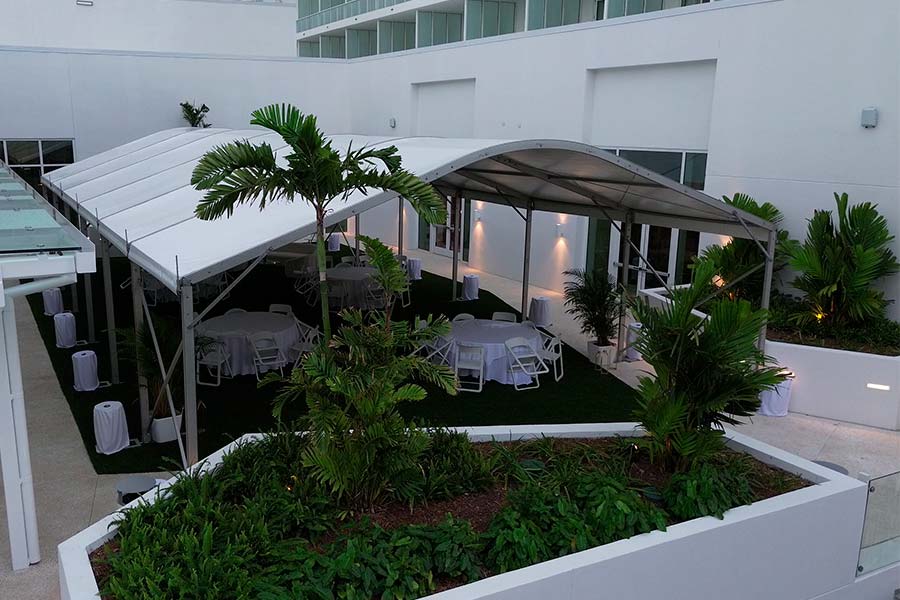
20x30 white event tent setup outdoors for a reception with round tables and white chairs.


Designing the right layout for your event can feel like one of the biggest challenges in this task. When you choose rent a 20x30 tent, you’re working with six hundred square feet of covered space, and the way you organize it will directly shape the guest experience. No matter what event you are panning, the seating chart is what transforms an empty tent into a welcoming venue.

This guide will walk you through how to make the most of your 20x30 tent with creative and practical layouts. You’ll see how different seating arrangements change the atmosphere, how to tailor the space to your type of event, and how décor and accessories complete the transformation. By the end, you’ll understand not just how many people fit inside, but also how to design a flow that keeps guests comfortable, engaged, and impressed.

Understanding the Space

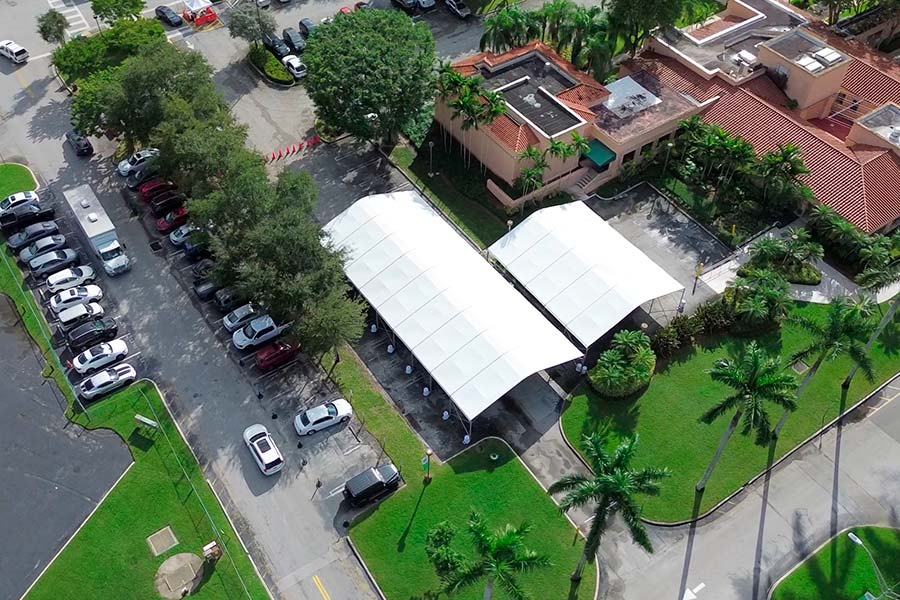
Aerial view of two white frame tents in a parking lot next to a commercial building and palm trees.


A 20x30 offers a rectangular footprint that balances size and manageability. At six hundred square feet, it’s large enough to accommodate up to ninety standing guests or around sixty seated, depending on the setup. Unlike larger structures, it doesn’t require a massive venue, which makes it a flexible choice for backyards, corporate courtyards, or festival grounds.

To install it properly, you’ll need a surface of at least twenty-five by thirty-five feet, which leaves room for anchoring and walkways. This clearance is important because it affects how your layout flows. Narrow entryways or poorly planned aisles can make even the most beautiful setup feel cramped. For a deeper dive into dimensions, you can explore our guide on how big a 20x30 tent really is.

With the basics defined, let’s look at how different layouts can transform the same space into completely different event experiences.

Banquet Style

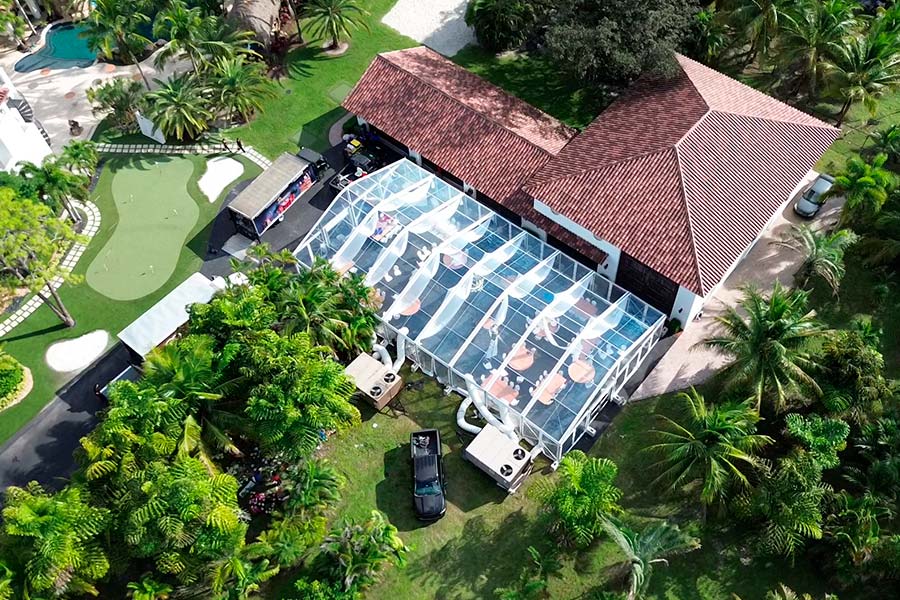
Aerial view of a clear-top tent banquet style setup next to a Mediterranean-style home and putting green.


The banquet layout is the classic choice for weddings, corporate dinners, and other formal events. Long rectangular tables run parallel to each other or form a U-shape, creating order and symmetry. This arrangement comfortably accommodates around fifty guests and works beautifully for plated dinners or family-style meals.

Its strength lies in structure: guests know where they belong, servers move through defined aisles, and the focus naturally flows toward a head table or stage. The drawback is that it requires clear space for movement, so you may need to limit extra features like large buffets or bars.

If your event leans toward tradition, banquet style is a dependable choice. But if you want something more conversational, round tables offer a different dynamic.

Round Table Layout

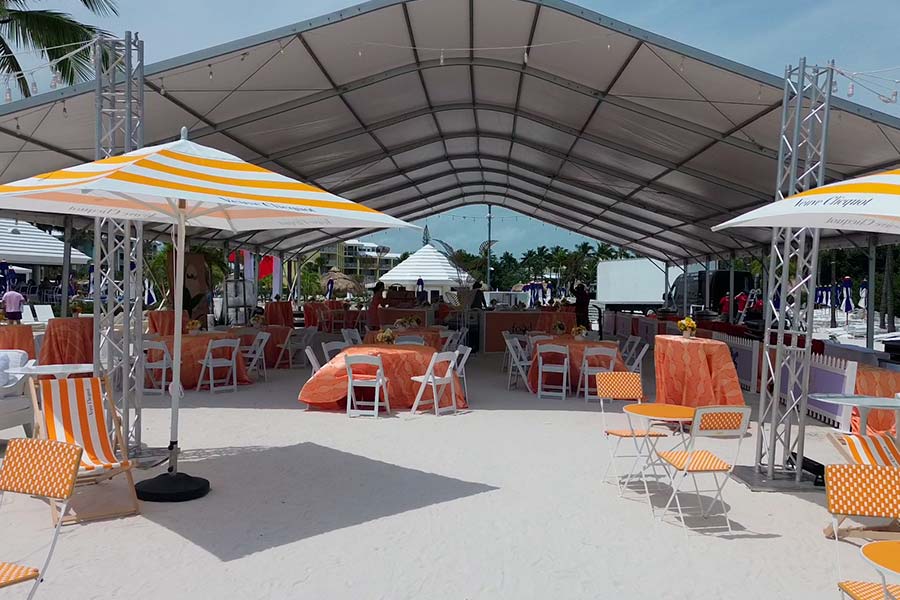
Large white frame tent on a beach with orange tables, white chairs, and branded umbrellas for an event.


Round tables are a favorite for weddings, showers, and family reunions. They create pockets of intimacy where guests can converse easily, while also looking elegant in photos. In a 20x30 tent, you can arrange six sixty-inch tables, seating between eight and ten people at each. That gives you a total capacity of around forty-eight guests.

This layout emphasizes equality, no one feels stuck at the end of a table, and adds visual interest. It does take up more space, so you may not maximize capacity, but what you lose in efficiency you gain in atmosphere. If you’re planning décor-heavy centerpieces, round tables frame them beautifully.

For occasions where mingling is more important than dining, though, cocktail-style arrangements are often the winner.

Cocktail or Reception Style

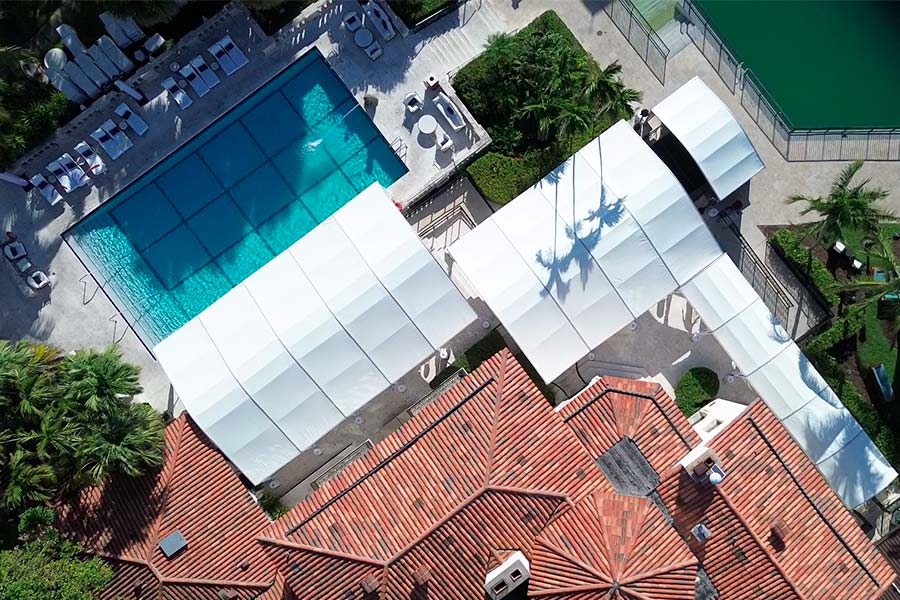
Aerial view of large white event tents installed over a swimming pool and patio area.


Cocktail-style setups prioritize flow over formality. Instead of full dining tables, you use high-top tables, scattered lounge seating, and plenty of open space for movement. A 20x30 tent in this layout can hold as many as seventy-five guests, which makes it ideal for receptions, networking events, or birthday parties.

This style encourages people to circulate, meet new faces, and engage with entertainment. It also allows you to dedicate part of the tent to a bar or serving stations. The trade-off is less structured seating, so it may not suit formal dinners.

Each of these layouts works on its own, but the real magic happens when you tailor them to your specific type of event.

Tailoring the Layout to Your Event

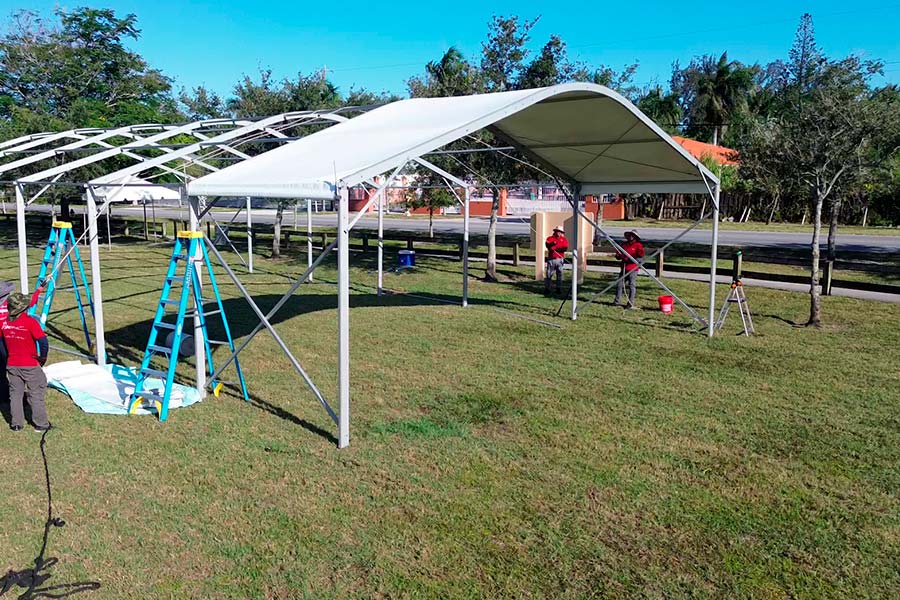
Workers erecting the frame and installing the white top of a large event tent in a grassy field.


As we pointed out before, tailoring the layout to your event is crucial. Let´s check some examples. 

The first example is weddings. For this kind of event, the best approach is often a hybrid. Round tables for dining, a cocktail area near the bar, and a central dance floor create a natural rhythm for the evening. The head table or sweetheart table should be positioned for visibility, ensuring the couple remains the focal point. You can find more décor inspiration in our guide on how to decorate a 20x30 tent.

Meanwhile, for corporate events the key is functionality. Banquet tables work well for meals, but you may also want to leave a zone open for presentations. A small stage or podium at one end of the tent creates a clear orientation, while pathways should remain uncluttered for easy service. For a closer look at tent structures that work well in professional settings, explore our 20x30 frame tent style canopy guide.

On the other hand, family gatherings benefit from flexibility. Mixing round tables with picnic-style benches makes the event feel casual and approachable. Adding a small children’s area with low tables and games keeps younger guests entertained while adults enjoy themselves. These personal touches create a warm, relaxed environment.

Once the seating is set, the atmosphere comes down to how you enhance the space.

These personal touches create a warm, relaxed environment. To ensure every detail of this gathering runs smoothly beyond just the seating, check our full guide on planning events with a 20x30 tent.

Enhancing the Atmosphere

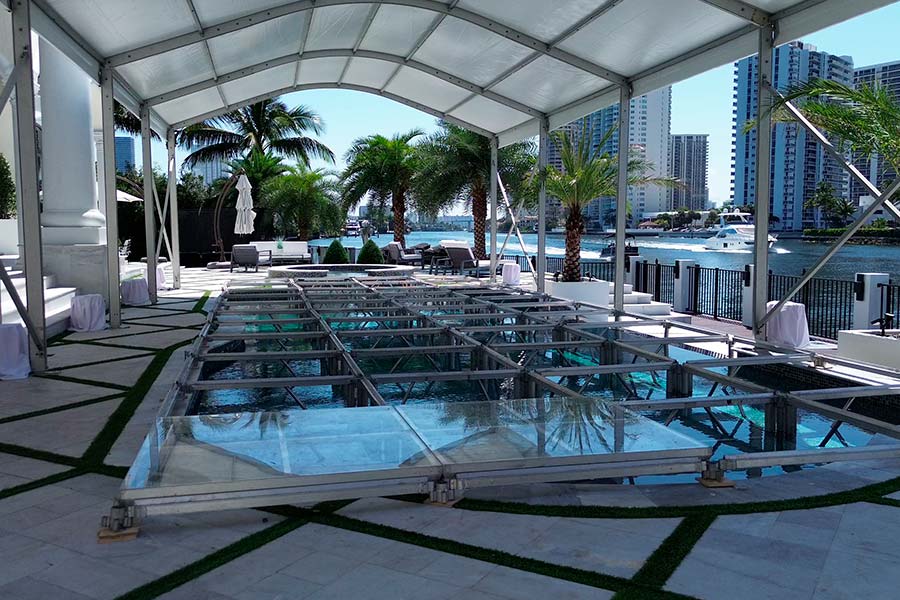
Clear acrylic dance floor over a swimming pool under a white event tent near a waterfront city view.


A seating chart creates structure, but décor and ambiance bring it to life. Lighting is one of the most powerful tools. String lights can transform the ceiling into a canopy of stars, chandeliers add elegance, and uplights wash the tent walls in color. Coordinated linens, centerpieces, and tableware tie the look together. Even the flooring you choose, whether carpet, turf, or wooden panels, changes the mood.

It’s also wise to think about practical factors. Florida weather can be unpredictable, so accessories like sidewalls, heaters, or fans ensure guests stay comfortable. For a full breakdown of extras that complete the experience, check our essential accessories for your 20x30 tent rental.

Safety and accessibility should never be an afterthought. Clear pathways, adequate lighting for exits, and wheelchair-friendly layouts make sure every guest feels welcome and secure.

When you balance comfort, safety, and style, your tent becomes more than a shelter, it becomes the heart of your event.

Final Thoughts

Creating seating charts and layouts for a 20x30 tent doesn’t have to feel overwhelming. By starting with the tent’s dimensions, choosing a style that matches your event, and tailoring the details to your guests, you can design a space that feels intentional and inviting.

At Imperial Event Rentals, we help clients in Miami, Hialeah, Orlando, and across Florida design layouts that bring their vision to life. Our team not only provides the tents but also offers guidance on seating, accessories, and décor. If you’re ready to explore your options, start with our cost guide: renting vs buying a 20x30 tent or discover the best options in our commercial tents for sale 20x30.

Because the right layout isn’t just about fitting people into a tent, it’s about creating an experience they’ll remember long after the last chair is folded away.